70s Music vs Today: What’s Changed? From Vinyl Classics to Streaming Hits
Music has changed dramatically since the 1970s, but has it necessarily changed for the better? From timeless melodies and live instruments to digital production and streaming culture, we explore how the music industry has evolved – and why the sounds of the seventies still matter today.
Music is constantly evolving. Every generation has its own sound, its own musical heroes and its own definition of what makes a great song. But compare the music of the 1970s with today's chart-topping hits and the differences are fascinating.
The 1970s were an extraordinary decade for music. Rock, disco, soul, funk, reggae, punk and early hip-hop helped shape popular culture. Artists such as David Bowie, Queen, Fleetwood Mac, Stevie Wonder, ABBA, Elton John and Donna Summer produced records that continue to attract listeners decades later.
Fast-forward to 2026 and the musical landscape looks very different. Streaming platforms, artificial intelligence, digital recording, social media and global collaborations have transformed how music is created, promoted and consumed.
So, what exactly has changed?
1. The sound: Live instruments versus digital production
One of the biggest differences between 1970s music and today's releases is the way records are made.
During the seventies, many recordings relied heavily on musicians playing together using guitars, bass, drums, keyboards, orchestras and other traditional instruments. Recording studios were important creative spaces, with producers and engineers capturing performances using increasingly sophisticated multitrack equipment.
That decade also introduced and popularised technologies that would influence generations of music makers, including portable synthesizers, advanced studio recording and drum machines.
Today, computers and digital audio workstations allow producers to create entire arrangements from a laptop. Electronic beats, software instruments, digital effects, pitch correction and sampling are common features of modern production.
This doesn't mean modern music lacks musicianship. Instead, the tools have expanded. A producer can combine a live guitar, a programmed drum pattern and a digitally created orchestral arrangement in one recording.
The difference: In the seventies, the studio often captured musicians performing. Today, the studio can also become an instrument in its own right.
Further reading: Pitchfork – Music Technology of the 1970s.
2. Songwriting: Timeless melodies versus instant impact
Many seventies songs were built around memorable melodies, strong choruses, instrumental passages and storytelling.
Think of Fleetwood Mac's emotional songwriting, Queen's ambitious arrangements, Stevie Wonder's musical sophistication or Elton John's ability to combine memorable melodies with powerful lyrics.
Albums were often carefully constructed listening experiences. Artists could develop a theme or musical identity across an entire record, rather than concentrating exclusively on individual singles.
Modern songwriting is much more varied. Some contemporary artists still create detailed, narrative-driven songs, while others favour shorter introductions, immediate hooks and repetitive choruses that capture attention quickly.
The growth of streaming and social media has also created new opportunities for songs to become popular through short, memorable sections.
But great songwriting hasn't disappeared. Artists continue to write meaningful lyrics, emotional ballads and sophisticated compositions. The difference is that today's musical marketplace offers a much wider range of styles and listening habits.
3. Albums and vinyl versus playlists and streaming
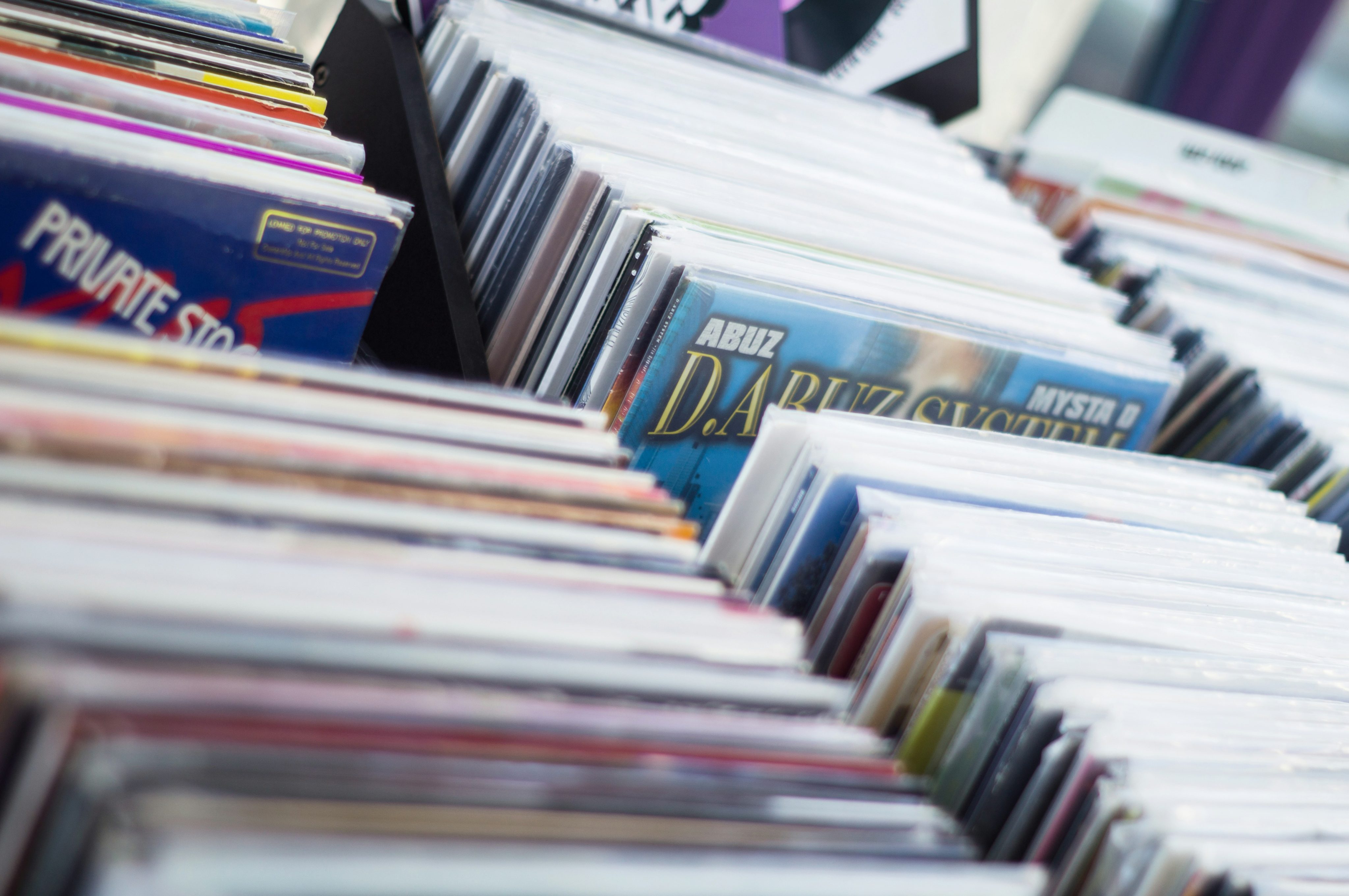
In the 1970s, buying a vinyl album was a major part of the music experience. Fans visited record shops, studied album artwork, read sleeve notes and listened to records from beginning to end.
The album was often the central artistic statement.
Today, listeners can access millions of songs through streaming services. They can create playlists, skip tracks, discover emerging artists and listen to almost any genre instantly.
According to the IFPI Global Music Report 2026, streaming accounted for 69.6% of global recorded music revenues in 2025. Paid subscription streaming alone represented 52.4%.
That demonstrates just how dramatically the business has changed.
However, vinyl hasn't disappeared. In fact, physical music is enjoying renewed interest among collectors and fans who appreciate owning something tangible.
The big change: In the seventies, people generally bought the music they wanted to hear. Today, they can access enormous music libraries whenever they want.
4. Music genres: From disco and punk to global pop
The 1970s were defined by musical diversity.
Disco dominated dancefloors, punk challenged the establishment, progressive rock explored ambitious compositions, reggae reached wider international audiences, and funk and soul influenced countless musicians.
Hip-hop also emerged in the Bronx during the decade, laying the foundations for one of the most influential musical movements in modern history.
Today's music is even more interconnected. Pop, hip-hop, R&B, dance, rock, country, Afrobeats, Latin music and electronic music regularly influence one another.
Artists collaborate across countries, languages and musical traditions. A contemporary pop track might combine Caribbean rhythms, electronic production, hip-hop influences and traditional instrumentation.
The result is a global musical culture in which geographical boundaries matter less than ever.
5. Music promotion: Radio and record shops versus social media
In the seventies, radio DJs, television appearances, music magazines, record shops and live performances played important roles in introducing artists to audiences.
Getting a record played on a popular radio station could make a significant difference to its success.
Today, promotion takes place across a much wider range of platforms. YouTube, TikTok, Instagram, streaming playlists and online music publications can introduce an artist to millions of potential listeners.
Independent musicians can also release their own music without necessarily signing a traditional record deal.
This has created opportunities for new talent, although competition for attention is intense.
The music industry has moved from a system heavily influenced by radio programmers and record companies towards a more digital, connected and rapidly changing environment.
6. Are musicians better today, or were the seventies special?
This is perhaps the biggest debate.
There is no doubt that today's musicians have access to extraordinary technology, production facilities and global audiences. Modern artists can experiment with sounds that would have been difficult or impossible to create in the seventies.
But the seventies had something special too: an extraordinary combination of musical experimentation, strong instrumental performances, distinctive songwriting and artists willing to take creative risks.
It would be unfair to suggest that all music from the past was better, just as it would be unfair to dismiss modern music as lacking substance.
There is brilliant music in every generation. The difference is often personal taste, cultural experience and the way listeners connect with particular songs.
7. What has stayed the same?
Despite all the technological changes, the most important part of music remains remarkably consistent.
People still want songs that make them dance, fall in love, remember special moments, express frustration or simply escape everyday life.
A great melody, a powerful vocal performance and lyrics that connect emotionally with an audience can transcend any decade.
That is why seventies classics continue to be played alongside contemporary releases. Great music doesn't have an expiry date.
The verdict: Different decades, different sounds, the same passion
So, 70s music versus today's music – what has changed?
Almost everything surrounding the music has evolved: recording technology, distribution, promotion, listening habits and the commercial business model.
But creativity, emotion and the desire to connect through music remain at the heart of it all.
The seventies gave us a remarkable catalogue of influential artists and recordings. Today's musicians have inherited that legacy while developing entirely new sounds and ways of reaching audiences.
Perhaps the real winner isn't one decade over another. It's the listener who can enjoy the best of both worlds.
Whether you're putting on a Fleetwood Mac vinyl record, dancing to Donna Summer, discovering a new independent artist on YouTube or streaming the latest chart hit, music continues to bring generations together.
At Apnin Music, we believe great music deserves to be celebrated – whatever the decade.